

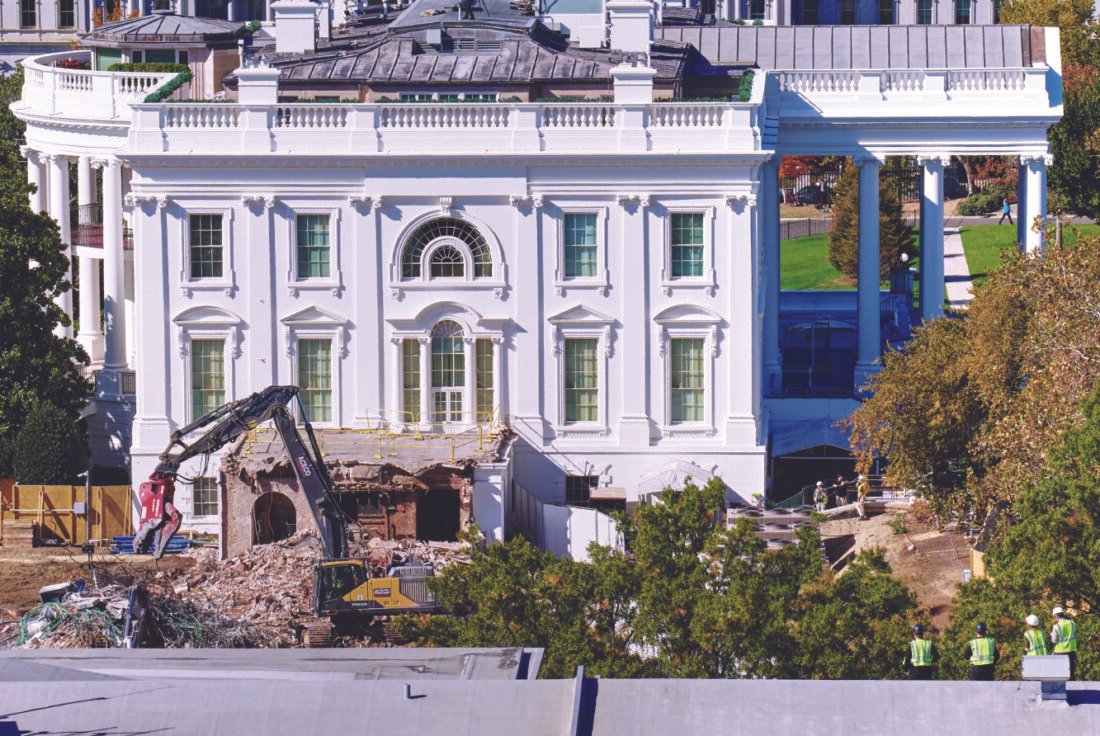
When people ask “when was the east wing of the white house built,” they’re often surprised to learn that the answer isn’t just one simple year. The East Wing, just like the famous White House itself, has grown and changed over time. It wasn’t built all at once—instead, it evolved in stages to meet the needs of presidents, their families, and the nation.
In this detailed guide, we’ll explore the full story behind the East Wing—its beginnings, its purpose, and how it became an important part of American history. Let’s dive in!
A Quick Look at the White House
Before we focus on the East Wing, it helps to understand the building it belongs to.
The White House is the official home and workplace of the President of the United States. It has:
- The Executive Residence (where the president lives)
- The West Wing (where the president works)
- The East Wing (used mainly by the First Lady and for offices)
The building has stood since 1800, but it didn’t always look the way it does today. Over the years, new sections were added—like the East Wing—to keep up with changing times.
When Was the East Wing of the White House Built?
Let’s answer the big question clearly:
👉 The East Wing of the White House was first built in 1902, during the presidency of Theodore Roosevelt.
However—and here’s the interesting part—it wasn’t permanent at first! The original East Wing was a temporary structure.
Later, the East Wing we see today was rebuilt and expanded in 1942 under Franklin D. Roosevelt.
So, the answer depends on how you look at it:
| Version of East Wing | Year Built | Details |
|---|---|---|
| First (temporary) East Wing | 1902 | Built to move offices out of the main house |
| Modern East Wing | 1942 | Permanent structure still used today |
Why Was the East Wing Built?
You might be wondering—why did they build the East Wing in the first place?
Back in the early 1900s, the White House was getting crowded. President Theodore Roosevelt had a big family and a busy staff. There just wasn’t enough room!
Main reasons for building the East Wing:
- To create more office space
- To separate work areas from living areas
- To improve organization inside the White House
The East Wing helped solve these problems by giving staff their own dedicated space.
The Role of Theodore Roosevelt
Theodore Roosevelt played a huge role in shaping the modern White House.
In 1902, he started a major renovation project. During this time:
- The West Wing was built for presidential offices
- The East Wing (temporary) was added for support staff
Roosevelt wanted a clear line between home life and work life, and these changes made that possible.
How the East Wing Changed Over Time
The East Wing didn’t stay the same. It went through several changes before becoming what it is today.
Early Years (1902–1930s)
- The original East Wing was not permanent
- It was used for offices and basic functions
- It didn’t have the importance it holds today
Major Expansion in 1942
During World War II, President Franklin D. Roosevelt ordered a new East Wing to be built.
Why?
- To provide better office space
- To add underground bunkers for safety
- To support wartime operations
This version became the permanent East Wing we know today.
Hidden Secrets Beneath the East Wing
Here’s something fascinating—there’s more to the East Wing than meets the eye!
Underneath it lies the Presidential Emergency Operations Center (PEOC).
This hidden bunker:
- Was built during World War II
- Is designed to protect leaders during emergencies
- Has been used during major events, including crises
It’s a reminder that the White House isn’t just a home—it’s also a secure command center.
What Is the East Wing Used for Today?
Today, the East Wing plays an important role in White House life.
Main uses include:
- Offices of the First Lady
- Staff working on social events and programs
- Visitor entrance for tours
The East Wing is also where guests often enter when visiting the White House.
The First Lady and the East Wing
The East Wing is closely connected to the First Lady of the United States.
First Ladies like Eleanor Roosevelt helped shape its role.
What happens here?
- Planning state dinners and events
- Running social programs
- Supporting national causes
Over time, the East Wing became the center of the First Lady’s work.
Architectural Style and Design
The East Wing matches the elegant style of the White House.
Key features:
- White-painted exterior
- Tall columns and classic design
- Symmetrical layout
Even though it was built later, it blends perfectly with the original building.
Images of the East Wing
Exterior View of the White House East Wing
Aerial View Showing the East Wing
Interesting Facts About the East Wing
Here are some fun and surprising facts:
- The original East Wing was meant to be temporary—but it started something big!
- The modern East Wing includes a theater for private screenings
- It connects to the main residence through a corridor
- It’s less famous than the West Wing, but just as important
Why the East Wing Still Matters Today
Even today, people still ask “when was the east wing of the white house built” because it represents growth and change.
It shows how the White House:
- Adapts to new needs
- Balances tradition with progress
- Supports both leadership and family life
In short, the East Wing is a symbol of how history evolves.
Conclusion: When Was the East Wing of the White House Built?
So, when someone asks “when was the east wing of the white house built,” the best answer is this:
- It was first built in 1902 as a temporary structure
- It was rebuilt in 1942 into the permanent East Wing we see today
This part of the White House has come a long way—from a simple temporary space to a vital and historic section of one of the world’s most famous buildings.
And honestly, isn’t that what history is all about? Growth, change, and stories that keep unfolding over time.